

Bangalore holds the fort as the leading tech capital, blending global IT, deep tech and R&D. You will also come across start-ups and corporate headquarters here. This diversity keeps income flows stable. It also keeps housing demand active across cycles.
Hence, it is no wonder that NRIs and HNIs remain deeply invested in this city. Many see Bangalore as both an emotional home base and a long-term asset. And this duality protects demand even during slowdowns. Importantly, end-use buyers and investors coexist in this market. Families, for instance, buy homes to live in. Investors, on the other hand, buy with confidence in exit liquidity.
In 2026, supply & demand have found a better balance in Bangalore. Nowadays, inventory has become more structured. Vertical apartment formats coexist with curated villa communities. The unorganised era has steadily given way to regulated, compliance-driven development. In short, transparency has improved, while buyer’s confidence has followed.
Bangalore is not a single-core city. It is multi-nodal. Prices move differently in each micro-market. Infrastructure maturity, access and lifestyle depth define value more than city-wide averages.
Pricing varies significantly by locality. To find the right balance between cost and lifestyle, see our guide on the best areas to buy flats in Bangalore.This guide supports upgrading buyers, investors, NRIs, multi-generational families and lifestyle-driven homebuyers.
Make a note that prices vary by locality, product type and size. Even the view, builder category and delivery timeline impact the cost. This blog acts as a directional analysis for you, not a quotation.
Average Flat Prices in Bangalore 2026 Overview
Here is what the average apartment prices in Bangalore are like:
1- City-Wide Average Price Range (₹ per sq ft)
Across Bangalore, apartment prices in Bangalore typically range from ₹6,500 per sq. ft. at the entry level to ₹14,000 per sq. ft. and above for premium formats. Ultra-luxury formats can exceed this band depending on scale, privacy as well as design depth. These are indicative ranges shaped by micro-market maturity rather than city averages.
2- Year-on-Year Growth Comparison (2024 to 2026)
Between 2024 and 2026, Bangalore has witnessed steady price appreciation. Growth remains measured, not speculative. Infrastructure rollouts, metro expansion as well as sustained NRI participation drive this momentum. Importantly, this growth has come alongside improved build quality and compliance.
3- Price Variation Drivers
Pricing in Bangalore is based on geography and metro connectivity. Even builder credibility, product format and stage of construction have an impact on the cost. Launch-stage pricing differs sharply from ready inventory. Likewise, vertical apartments and villa formats now sit on distinct value curves.
Factors Affecting Flat Prices in Bangalore
The cost of flats in Bangalore relies on a variety of factors. Let us uncover those below:
1- Metro Connectivity
Metro access continues to influence the pricing of property. Houses located near existing or proposed metro networks are subject to higher prices. Similarly, less commute stress is translated into the value of lifestyle. Customers are willing to pay higher prices to access such facilities.
2- Proximity to IT Hubs
Access to IT corridors supports both rental demand and capital appreciation. Locations with diversified employment catchments see steadier price growth. They even have lower vacancy risks.
3- Builder Reputation
Long-term buyers are attracted to established developers who have a good track record in delivery. Trust, consistency of design, clarity on after-sales have a greater impact on pricing than any short-term discounts can.
4- RERA Compliance
RERA-compliant projects provide transparency on timelines. They streamline specifications, too. Today, buyers are paying a premium to have regulatory certainty and mitigate risks.
5- Infrastructure Projects and Upcoming Corridors
Road expansions, signal-free corridors and social infrastructure development shape future pricing. Early entry into such zones often creates value appreciation over time.
Pricing Comparison Tables
1- Affordable Areas to Buy Flats in Bangalore (2026)
Affordability clusters form where infrastructure is emerging and land parcels allow planned development. These zones attract first-time buyers and value-conscious families.
| Area | Avg Price (₹ per sq ft) | Flat Type | Buyer Segment |
| Budigere Cross | 6,500–7,500 | 2 BHK, Compact 3 BHK | First-time buyers |
| Whitefield | 7,000–8,000 | 2 BHK | Young professionals |
| KR Puram | 6,800–7,800 | 2 BHK | Early investors |
Affordability zones matter when purchasing a property. It is because they balance price entry with future upside. For many buyers, they enable ownership. They do so without compromising long-term appreciation.
2- Mid-Segment Apartment Prices in Bangalore
The mid-segment caters to upgrading families seeking better layouts and amenities. It even aligns with the expectations of connectivity among people.
| Area | Avg Price (₹ per sq ft) | Flat Type | Buyer Segment |
| Budigere Cross | 8,500–9,500 | Spacious 3 BHK | Upgrading families |
| Whitefield | 9,000–10,500 | 3 BHK | End-users |
| KR Puram | 8,800–9,800 | 3 BHK | Rental investors |
This segment remains deep and liquid. Rental demand in such properties stays resilient. It is because of their balanced pricing and tenant affordability.
3- Premium and Luxury Flat Prices in Bangalore
Premium living today focuses on space and privacy. It even emphasises light and low-density living spaces.
| Area | Avg Price (₹ per sq ft) | Flat Type | Buyer Segment |
| Budigere Cross | 11,000–14,000 | Large-format residences | HNIs, NRIs |
| Whitefield | 12,000–15,000 | Premium 3 BHK | Senior professionals |
| KR Puram | 10,500–13,500 | Luxury apartments | Lifestyle buyers |
These formats naturally lead into thoughtfully designed premium communities like Chaithanya Sānkhya and Chaithanya Samarth.
Case in Focus: The Premium Format Evolution
Premium living in Bangalore has evolved. Buyers now seek sky bungalows and villa communities. They want large-format residences that enhance the luxury experience. However, they still expect privacy. They even wish for green views. Lastly, low-density expectations remain high, too.
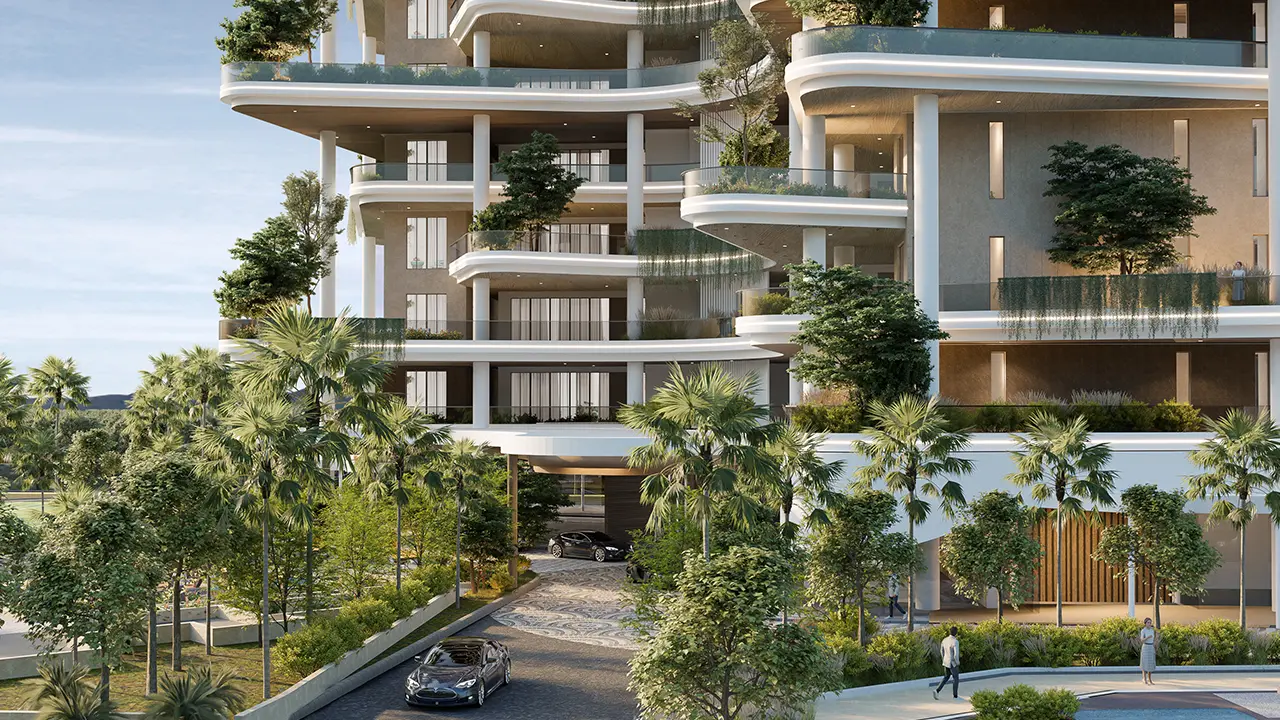
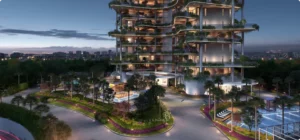
Chaithanya Sānkhya reflects this shift clearly. Located in Mandur on Budigere Road, it introduces a sky-bungalow concept within an apartment format. Expansive 3,400 sq. ft.* private garden decks blur the line between indoors and outdoors. With 55 per cent personal garden spaces and 94 per cent daylight access, homes feel open. They feel calm and breathable.
Their design supports multi-generational living. As a result, every member of your family can live happily under one single roof. They can do so while still maintaining privacy from one another. These properties also offer energy efficiency. And while at it, they ensure to never compromise any of your comforts.
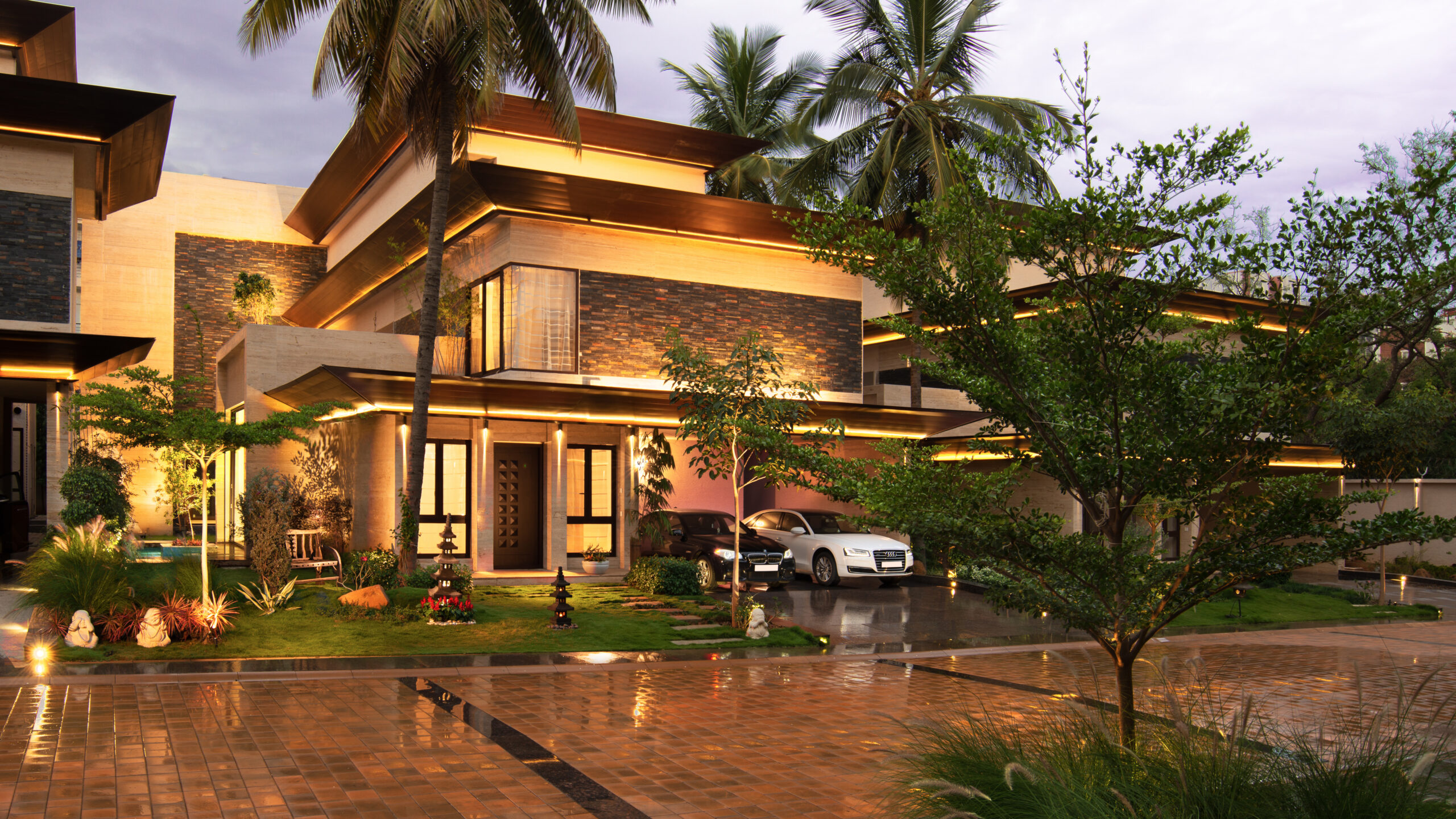
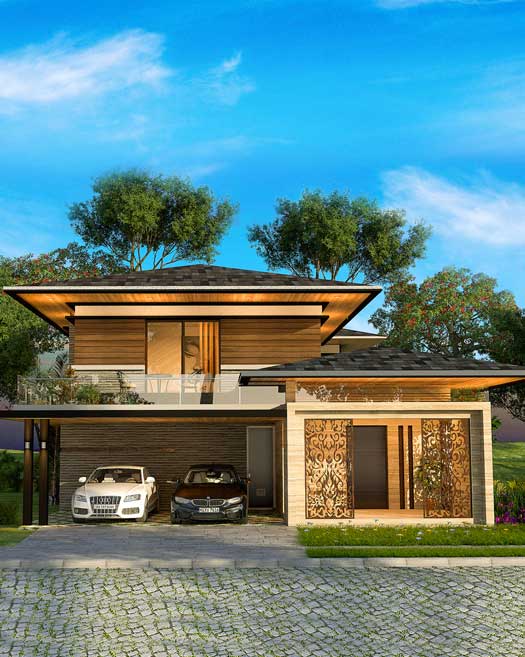
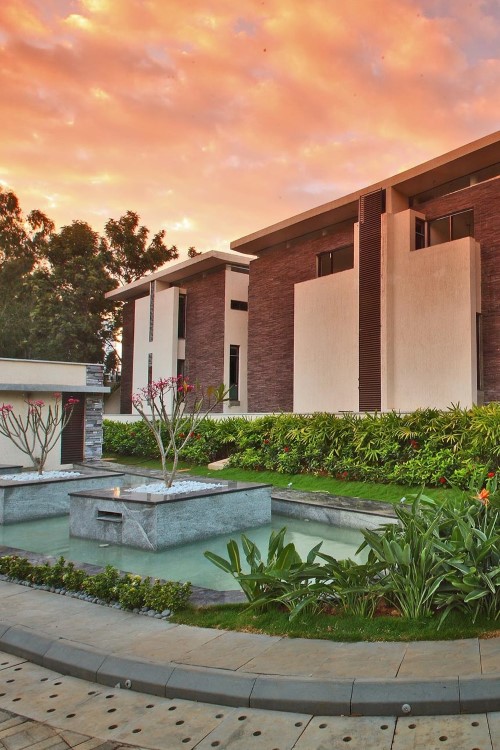
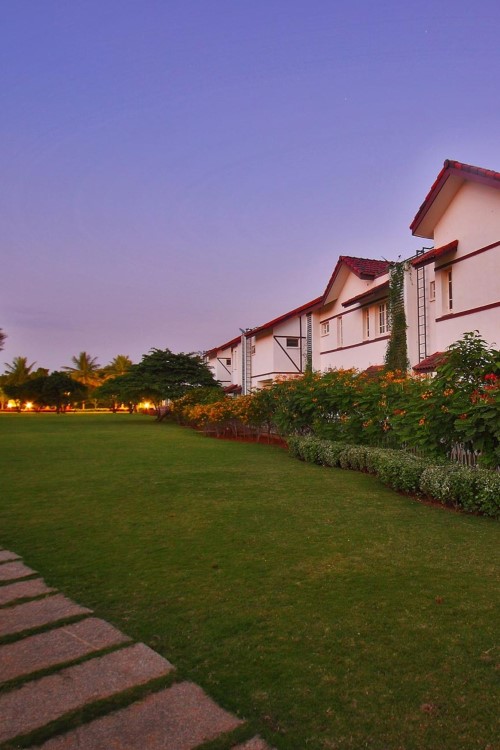
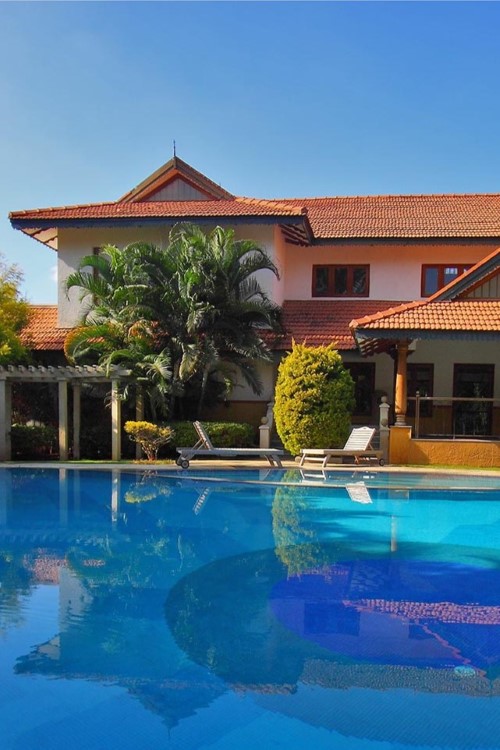
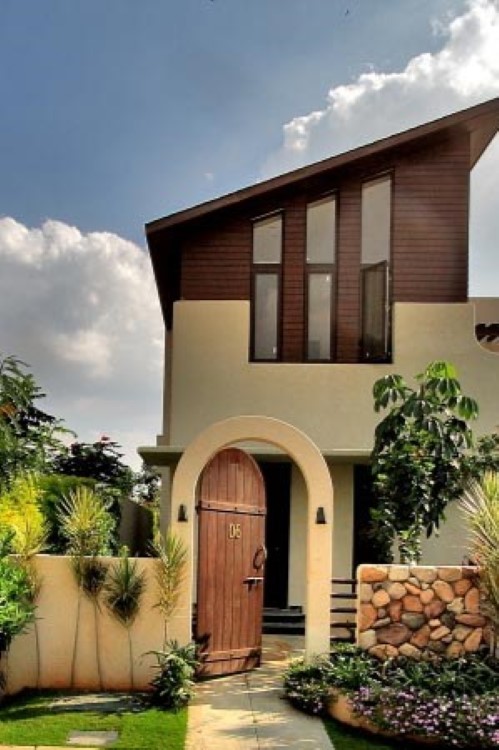
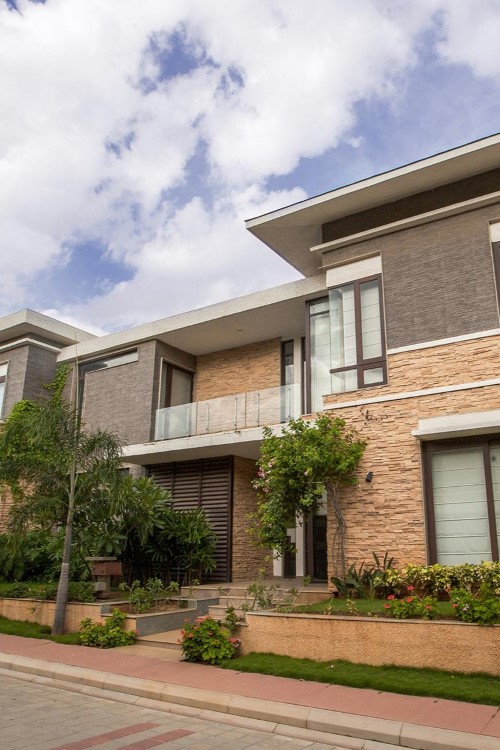
Chaithanya Samarth interprets premium living through villas. Set across 36 acres near Budigere Cross, this solar-powered villa community offers resort-style architecture. It even features expansive green islands. You can come across open spaces as well as parks here. The property also supports community connections that shape everyday life.
Also, sustainability integrates seamlessly with contemporary comfort here. For many, it feels like a retreat. For others, it becomes their forever home.
Investor vs End-User Pricing Perspective
End-users prioritise lifestyle. They look for comfort from their community. They seek schools, healthcare, and other infrastructure nearby. Pricing makes sense when daily living feels effortless.
Investors focus on yield and exit liquidity. They even take into account future corridors. They track infrastructure timelines and rental demand. In Bangalore, both perspectives often converge. This is especially true in well-planned micro-markets.
Timing Strategy: Best Time to Buy Flats in Bangalore
Timing matters when it comes to purchasing a property.
– Launch-stage pricing often offers early value.
– Ready-to-move homes cost more. However, they reduce any fraud risk.
– Festive periods bring incentives. This is when you get extra discounts on the cost.
– Interest rate cycles influence affordability.
– Inventory levels shape negotiation power.
So, are you wondering what the right time is to make an investment in flats? Well, the right time is the one that aligns with personal readiness as well as market conditions.
Legal and Due Diligence Checklist
There are particular things that you must take into consideration to be on the safe side. Here is a quick checklist:
– Always verify the RERA number.
– Confirm land title clarity.
– Review OC or CC status.
– Inspect statutory approvals.
– Understand maintenance structures along with society bylaws.
– Clarify warranties and service commitments.
Due diligence protects peace of mind. It ensures you obtain long-term value from your investment.
Ending note
It is not a secret anymore; Bangalore is a deep and resilient housing market. Its multi-nodal growth, strong employment base and steady infrastructure investments create long-term confidence for homebuyers. More importantly, buyer preferences have evolved toward space, light and privacy. They are now in search of sustainable living.
The future residential landscape of the city is being defined by premium developments that address these needs. This development can be seen in projects such as Chaithanya Sānkhya and Chaithanya Samarth. They achieve this with intelligent design, low-density planning and lifestyle planning.
For families seeking both emotional fulfilment and asset stability, Bangalore remains a deeply rewarding place to call home.